Why Email Attachments Are No Longer Safe for Sending Important Files
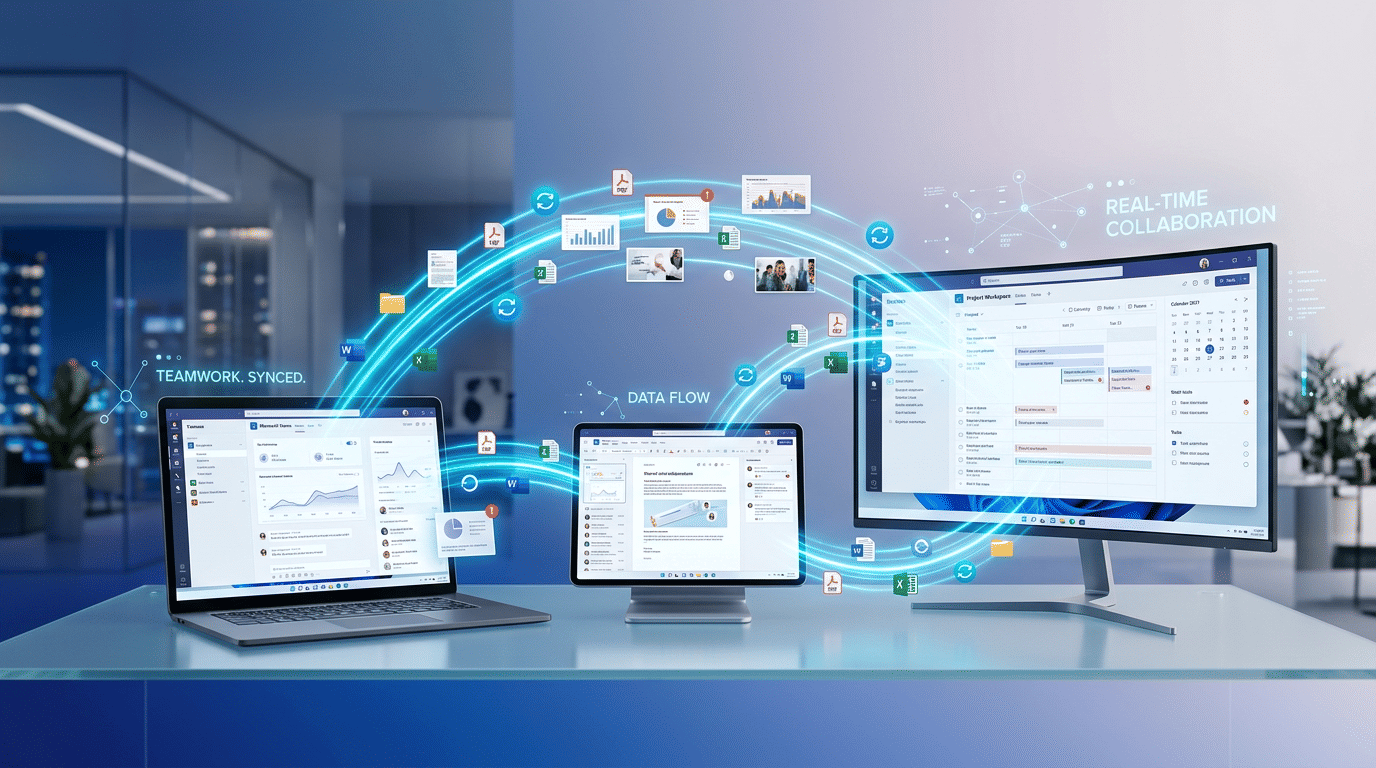
For decades, sending files through email attachments has been the standard way to share documents online. Whether it is a contract, a presentation, or a set of photos, the process feels simple and familiar. You attach the file, type the recipient’s address, and press send.
Because this method is so common, many people assume it is also safe.
However, the reality is that email attachments were never designed to handle the security challenges that exist today. As cyber threats continue to grow and data privacy becomes more important, organizations and individuals are beginning to realize that traditional email attachments come with significant risks.
Understanding those risks is the first step toward choosing a safer way to share files.
The Problem With Email Attachments
When you attach a file to an email, the file does not simply travel directly from you to the recipient. Instead, it passes through multiple servers and systems before reaching the destination inbox.
During this process, several copies of the file may temporarily exist across different email servers. Even after the message is delivered, the file can remain stored in email archives, backups, and local devices.
This means that once a file is attached to an email, it can be difficult or even impossible to fully control where that file ends up.
Security researchers have repeatedly warned that email was originally designed for convenience, not for secure data transfer. As a result, sensitive information sent through email attachments may be exposed to interception, misdelivery, or unauthorized access.
(Source: https://www.cisa.gov/news-events/news/avoiding-email-attachment-threats)
In other words, the moment a file is attached and sent, control over that information is largely lost.
Human Error Is One of the Biggest Risks
Technology is not the only source of vulnerability. Human error plays a major role in accidental data exposure.
Many data breaches occur because of simple mistakes. Someone might send a confidential document to the wrong email address, attach the wrong file, or accidentally include additional recipients in a message.
Once the email has been sent, there is no reliable way to recall the attachment or prevent it from being downloaded.
According to cybersecurity experts, misdirected emails are one of the most common causes of data leaks in organizations. Even a single mistake can expose sensitive information such as financial records, private client data, or internal company documents.
Because email attachments are permanent copies of files, those mistakes can have lasting consequences.
Attachments Can Also Become Malware Carriers
Another major security concern involves malicious attachments.
Cybercriminals frequently use email attachments to distribute malware, ransomware, and other types of harmful software. These attacks often rely on convincing messages that trick recipients into opening infected files.
Once opened, the file may install malicious software on the user’s device without their knowledge.
Government cybersecurity agencies have long warned about the dangers of opening unexpected attachments, especially from unknown senders.
(Source: https://www.ncsc.gov.uk/guidance/phishing)
These attacks continue to be one of the most common entry points for cyber intrusions worldwide.
While this risk affects recipients, it also demonstrates a broader issue: email attachments were never designed to provide strong security protections.
Why Secure File Links Are a Better Alternative
Instead of sending a file directly through email, modern file transfer systems use a different approach.
The file is uploaded to a secure server, and the sender shares a download link with the intended recipient. The file remains stored in a controlled environment rather than being copied into multiple inboxes.
This simple change offers several important advantages.
The sender can control who accesses the file, how many times it can be downloaded, and how long it remains available. If necessary, access can be revoked or limited.
This model restores control to the person sending the file, which significantly reduces the risk of unintended distribution.
Cybersecurity specialists increasingly recommend using secure transfer links rather than email attachments for sharing important documents.
(Source: https://www.nist.gov/cyberframework)
The Security Advantage of One-Time Download Links
Some secure file transfer services take this concept even further by offering one-time download links.
These links are designed to work only once. After the recipient downloads the file, the link becomes invalid and the file may be automatically deleted from the server.
This approach greatly reduces the chance that a file will be accessed by someone else later.
Unlike traditional file sharing methods, where documents may remain available indefinitely, one-time download systems ensure that files exist online only for the brief moment they are needed.
From a security perspective, this dramatically reduces the exposure window.
If a link cannot be reused and the file disappears after download, there is very little opportunity for unauthorized access.
Temporary File Transfers and Data Privacy
Another reason temporary file sharing is gaining popularity is its alignment with modern privacy principles.
Many data protection frameworks emphasize the importance of limiting how long personal or sensitive information is stored. The longer data remains accessible, the greater the risk that it could be compromised.
Temporary file transfer systems support these privacy principles by ensuring that files are automatically removed after they are accessed.
This reduces unnecessary data retention and minimizes the potential impact of security incidents.
In practice, this means that sensitive documents such as contracts, financial records, or identity documents do not remain stored online indefinitely.
A Simpler and Safer Way to Send Files
One of the most important aspects of modern secure file sharing tools is usability.
Security solutions are only effective if people actually use them. If a system is too complicated, users often revert to less secure methods like email attachments.
Modern file transfer services solve this problem by keeping the process extremely simple.
The typical workflow looks like this:
- Upload the file
- Enter the recipient’s email address
- Send the secure link
The recipient downloads the file, and the system automatically handles the rest.
No accounts, complex configurations, or technical expertise are required.
This combination of simplicity and security makes modern file transfer platforms a practical solution for everyday file sharing.
Summary
Email attachments may feel convenient, but they come with significant limitations when it comes to security and control. Once a file is attached to an email, it can be copied, forwarded, stored, and accessed in ways that the sender cannot easily manage.
These risks are compounded by human error, cyber threats, and the permanent nature of email attachments. A simple mistake or interception can expose sensitive information with lasting consequences.
Secure file transfer systems provide a safer alternative by allowing files to be shared through controlled download links rather than permanent attachments. This approach gives senders the ability to limit access, monitor downloads, and restrict how long files remain available.
One-time download links offer an even higher level of protection. By allowing a file to be downloaded only once and then automatically removing it, these systems ensure that sensitive information does not remain accessible longer than necessary.
In a world where digital security and data privacy are becoming increasingly important, temporary file transfers represent a more responsible and secure way to share information online.
Start Sharing Files Securely
If you want to avoid the risks associated with email attachments, a secure transfer platform can provide a safer and simpler way to send files.
SecTrans allows you to upload files, generate private download links, and automatically delete them after they are accessed. This means your files are shared only with the intended recipient and remain online only for as long as necessary.
You can start sending files securely in seconds.